Nominations now open — Submit before 15 December 2026 · Free to enterSubmit Now
SME Excellence — International Recognition

GlobalSMEAwards

Celebrating the ambition, resilience, and innovation of small and medium enterprises across every sector worldwide. Independently judged, globally recognised.

Scroll to explore
About the Awards

Celebrating small & medium enterprises
at its finest

The Global SME Awards celebrates small and medium enterprises across all sectors — from professional services and retail to manufacturing, technology, and local service businesses. SMEs are the engine of every economy, and this programme exists to shine a light on the best of them.

Nominations are welcomed from businesses of all sizes within the SME bracket, across all industries and geographies. Our independent judging panel assesses each entry against criteria for commercial performance, customer experience, innovation, and community impact.

"The Global SME Awards levels the playing field — giving smaller businesses the international recognition they deserve alongside the industry giants."

40+
Countries
600+
Winners
10
Core Categories
5
Years Running
Who Can Enter

Any small or medium enterprise operating at a professional standard, regardless of sector or geography. Both B2B and B2C businesses are eligible.

There are no minimum turnover requirements. Sole traders, partnerships, and limited companies are all welcome to enter.

Award Categories

The sub-industries
we recognise

The Global SME Awards covers ten categories spanning the breadth of small and medium business activity across all major sectors.

01
Best SME — Professional Services
Recognising excellence in accounting, legal, consulting, and other professional service firms serving the SME market.
02
Best SME — Retail & Consumer
Honouring innovative independent retailers and consumer brands that demonstrate exceptional customer focus.
03
Best SME — Technology & Digital
Celebrating SMEs that are leveraging technology to innovate, scale, and deliver digital transformation.
04
Best SME — Manufacturing & Trade
Recognising quality, innovation, and operational excellence in SME manufacturing and skilled trades.
05
Best SME — Health & Wellbeing
Honouring businesses in the health, fitness, and wellness sectors that make a positive impact on their communities.
06
Best SME — Food & Hospitality
Celebrating independent restaurants, cafes, and food producers delivering exceptional culinary experiences.
07
Best SME — Creative & Media
Recognising agencies and businesses in design, marketing, media, and other creative industries.
08
Best SME — Community & Social Enterprise
Honouring SMEs that prioritise social impact and community contribution alongside commercial success.
09
Best SME — Sustainability
Celebrating small businesses leading the way in environmental responsibility and sustainable practices.
10
SME of the Year
The premier award for the small or medium enterprise that demonstrates outstanding achievement across all criteria.
✦
...and many more

We recognise excellence across all specialized sub-categories and disciplines within Small & Medium Enterprises.

How It Works

A rigorous,
transparent
process

Every nomination submitted to the Global SME Awards is assessed through the same independent, structured process — ensuring fairness, credibility, and genuine prestige for every winner.

01
Submit Your Nomination
Complete the nomination form with details about the business, project, or professional you wish to put forward. Nominations are accepted year-round.
02
Initial Eligibility Review
Our editorial team reviews all submissions to confirm eligibility, completeness, and alignment with the relevant category criteria.
03
Independent Evaluation
Shortlisted nominees are assessed by our independent judging panel — senior professionals drawn from across the Small & Medium Enterprises industry internationally.
04
Winner Announcement
Winners are notified, formally announced, and presented with their Global SME Awards digital credentials and certification.
05
Profile Publication
Each winner receives a dedicated profile page published on the Global SME Awards website, with backlinks and social promotion across the Global Awards network.
Past Winners

Recognised for
excellence

Beardbrand
SME / Small Business
Beardbrand
Beardbrand is an American men’s grooming company specializing in premium products for beards, hair, and body. Founded by Eric Bandholz in 2012, Beardbrand grew from a simple YouTube channel into a cult-favorite lifestyle brand by championing the "Urban Beardsman"—the guy who wants a beard but also a professional, polished look. After famously turning down the Sharks on Shark Tank, they’ve stayed fiercely independent and bootstrapped in Austin. They don’t just sell beard oil; they’ve pioneered "Utility Oil" for face, hair, and body to simplify your morning routine
Pip’s Heirloom Snacks
SME / Small Business
Pip’s Heirloom Snacks
Pipcorn is an American snack company known for producing popcorn and other heirloom corn–based snacks made with non-GMO, sustainably sourced ingredients. Founded in 2012, the brand gained prominence through its appearance on Shark Tank and the support of Oprah Winfrey, later rebranding as Pip’s Heirloom Snacks in 2025 to reflect its expanded product range.

Death Wish Coffee
SME / Small Business
Death Wish Coffee
Founded in 2012 by Mike Brown in a Saratoga Springs basement, Death Wish Coffee was created to satisfy a niche demand for the world’s strongest cup. Unlike competitors, they pioneered a high-quality blend of Arabica and Robusta beans, proving that high-caffeine coffee doesn't have to taste bitter. They are currently leading a shift toward climate-resilient coffee by elevating the status of Robusta plants, which are hardier than traditional Arabica. Recently, the company transitioned from a cult-favorite startup to a retail powerhouse, modernizing their supply chain with data-driven roasting and a more accessible brand identity.
Ugmonk
SME / Small Business
Ugmonk
Founded in 2008 by Jeff Sheldon, Ugmonk transitioned from a minimal graphic tee side project into a world-renowned workspace design studio. The Pennsylvania-based brand prioritizes "less but better," famously rejecting Shark Tank to maintain its commitment to intentional, small-scale craftsmanship. A 2020 pivot to the Analog task system shifted their focus from apparel to physical productivity tools designed to combat digital distraction. Today, they lead the premium office market with modular systems like Gather, replacing disposable supplies with heirloom-quality wood and steel.


Soko Glam
SME / Small Business
Soko Glam
Soko Glam pioneered the K-beauty movement in the West by curating the best of South Korean skincare for the U.S. market. The platform famously popularized the "10-step Korean skincare routine," shifting consumer focus from quick fixes to a holistic, "skin-first" philosophy. Beyond retail, the company operates an educational hub, The Klog, and has expanded into product development with its own highly-rated in-house skincare lines. Currently, Soko Glam is evolving from an e-commerce leader into a global brick-and-mortar force through international retail partnerships
Rothy’s
SME / Small Business
Rothy’s
Rothy’s is a San Francisco-based lifestyle brand transforming the fashion industry through a deep commitment to sustainability and purposeful production. Utilizing innovative 3D-knitting technology, Rothy’s creates stylish, exceptionally comfortable, and machine-washable shoes, bags, and accessories from recycled plastic bottles. By operating their own wholly-owned factory and using sustainable materials, they achieve a near-zero waste process. Rothy’s blends eco-consciousness with modern design to create durable products that feel good and do good for the planet.
Cariuma
SME / Small Business
Cariuma
Cariuma was built on a mission to reinvent the sneaker game through a "constant evolution" mindset, proving that style, comfort, and sustainability can be synonymous. Rejecting the fast-fashion cycle, the brand focuses on crafting high-quality, ethically produced sneakers using responsibly sourced materials like natural rubber, organic cotton, and bamboo.
Package Free
SME / Small Business
Package Free
Package Free is on a mission to create a positive environmental impact by making sustainable, plastic-free products accessible to everyone. Founded with the goal of reducing landfill waste by eliminating single-use plastic, the brand offers a curated selection of reusables, bulk goods, and zero-waste alternatives for the home and personal care. By reimagining everyday items and focusing on innovative packaging alternatives, Package Free enables consumers to live more sustainably and works to turn the tide on plastic pollution.
Graza
SME / Small Business
Graza
Graza is a Brooklyn-based olive oil brand on a mission to strip the pretension out of the pantry. What truly sets Graza apart is its commitment to high-quality, never-blended oils paired with a chef-inspired, squeezable bottle. By moving away from traditional, "precious" glass carafes and leaning into functional, playful packaging, they’ve transformed a kitchen staple into a vibrant lifestyle brand. Their core lineup—"Sizzle" for cooking and "Drizzle" for finishing—is designed to be used liberally and often, celebrating the idea that top-tier ingredients belong on every dinner table, not just on a shelf.
Fishwife
SME / Small Business
Fishwife
Fishwife is a women-founded and led food company on a mission to make ethically sourced, premium, and delicious tinned seafood a staple in every American cupboard. Inspired by the vibrant conservas culture of Spain and Portugal, Fishwife works with small-boat fisherfolk and responsibly managed aquaculture farms to bring high-quality, traceable seafood to the table. Known for their bold, artistic packaging and commitment to sustainability, they have transformed a sleepy category into a culinary movement. With a focus on flavor and traceability, Fishwife is redefining tinned fish for a new generation.
Brightland
SME / Small Business
Brightland
Brightland is a kitchen essentials brand on a mission to bring "golden state" vibrancy to every home kitchen. Born from a desire for transparency and high-quality, honest ingredients, the company partners directly with small, family-run U.S. farms to craft premium extra virgin olive oils, fruit-forward vinegars, and raw honeys.
Magic Spoon
SME / Small Business
Magic Spoon
Magic Spoon has reimagined the nostalgic, sugary cereals of childhood into a high-protein, low-carb, and guilt-free daily staple for adults. With a mission to create a "better-for-you" breakfast that doesn't compromise on taste, the company utilizes high-quality protein blends, natural sweeteners, and zero artificial ingredients.
EcoPost
SME / Small Business
EcoPost
EcoPost is a Kenyan social enterprise that turns discarded plastic into practical building and outdoor-use materials. Its core product is recycled-plastic lumber, manufactured in profiles suitable for fencing, landscaping, signage and selected furniture applications. By treating used plastics as a production resource rather than waste, the business operates at the intersection of recycling, manufacturing and local infrastructure. The company's approach addresses several challenges at once: plastic pollution, demand for durable materials and the need for income opportunities within waste collection and processing. EcoPost's model connects collection activity with a marketable finished product, making circular production part of an everyday commercial supply chain. For the Global SME Awards, the business provides a useful example of manufacturing innovation shaped by a clear environmental purpose, with its proposition rooted in tangible products rather than environmental messaging alone.
SG
SME / Small Business
Skin Gourmet
Skin Gourmet is a Ghanaian skincare company that creates handmade products using natural ingredients sourced in Ghana. Its range includes body butters, oils, cleansers and scrubs, with a brand identity built around minimally processed ingredients and the idea of skincare that is simple, recognisable and versatile. Local sourcing and production play a central role in how the business presents its offering. Alongside its consumer products, Skin Gourmet describes a broader mission focused on producer livelihoods and stronger local value chains. Its sourcing relationships include shea-producing communities, connecting brand growth with opportunities for people supplying its raw materials. The company illustrates how a consumer SME can distinguish itself through product philosophy, traceable sourcing and a sense of place. Its story is relevant to categories focused on enterprise growth, responsible sourcing, brand development and community impact.
ReelFruit
SME / Small Business
ReelFruit
ReelFruit is a Nigerian food company specialising in dried-fruit snacks made from tropical produce. Founded by Affiong Williams, the business packages fruit in convenient formats designed for everyday snacking and positions Nigerian agricultural produce within a modern consumer-food category. Its product focus allows it to operate across food processing, branding, distribution and relationships with the wider agricultural supply chain. The company's stated ambition is to bring more of Nigeria's food potential to customers at home and beyond. Its story shows how an SME can create consumer value by processing familiar ingredients, building a recognisable brand and developing a market for products with a longer shelf life than fresh fruit. For an SME awards programme, ReelFruit is a relevant prospect in manufacturing, food and beverage, entrepreneurship and consumer-brand development. The profile should be considered on its business model rather than any assumption about current financial performance.
KN
SME / Small Business
Kandaka Naturals
Kandaka Naturals is a Rwanda-based maker of handmade soaps and personal-care products. Its products are manufactured locally, with the company drawing on local suppliers for ingredients and packaging and offering customers options for customised soaps. The business presents natural formulation and straightforward production methods as key parts of its identity, giving it a distinctive place in Rwanda's domestic body-care market. Kandaka Naturals also places community welfare within its commercial model. The company says that a portion of its profits supports reusable menstrual products for schoolgirls, alongside education around menstrual health, and it describes steps to limit waste in its workshop and packaging. That combination of small-scale manufacturing, locally rooted sourcing and a social mission makes it a relevant example of purpose-led entrepreneurship. It would fit naturally within SME discussions about consumer-product innovation, community engagement and locally developed brands.
Takataka Plastics
SME / Small Business
Takataka Plastics
Takataka Plastics is a Ugandan recycling and manufacturing venture based in Gulu. It transforms discarded plastic into products such as construction tiles and learning materials, combining practical engineering with the challenge of improving waste management. The business began with local research into plastic waste and developed equipment and production processes to turn recovered materials into useful goods. Its founders' work connects material recovery with jobs, training and environmental education. Rather than focusing only on the collection of waste, Takataka Plastics aims to create value from that waste through locally manufactured products. This makes the company relevant to several SME themes: applied innovation, circular manufacturing, community participation and enterprise development outside major commercial centres. Its approach shows how a relatively focused product and technology operation can engage with wider questions of employment, public health and resource use.
Lula
SME / Small Business
Lula
Lula is a South African financial-technology business focused on helping small and medium enterprises manage their finances. Previously known as Lulalend, it has broadened its proposition from business funding to include business accounts, payment tools and financial insights. Its services are designed for entrepreneurs who need clearer cash-flow visibility and practical ways to access working capital. The company's approach reflects a common challenge facing growing SMEs: day-to-day financial management often competes with the time required to win customers and operate the business. Lula uses digital applications and business-facing products to make financial services more accessible to its target market. In the context of the Global SME Awards, it offers an example of a company serving the SME economy as well as participating in it, with potential relevance to financial innovation, business services and entrepreneurship support.
Paps
SME / Small Business
Paps
Paps is a Senegal-rooted logistics company providing delivery, distribution and supply-chain services for businesses. Its offering covers parcels and correspondence, dedicated couriers, scheduled distribution and wider freight or warehousing needs. The company uses technology to coordinate services that are important to retailers, online businesses and organisations moving goods between customers and commercial partners. Paps describes operations beyond Senegal, including Côte d'Ivoire and Benin, reflecting an ambition to make business logistics more connected across West Africa. Its value proposition is grounded in a practical SME need: dependable delivery can determine whether a smaller company can serve customers consistently and enter new markets. Paps therefore makes a relevant prospect for categories concerning service innovation, logistics, business growth and technology-enabled operations, while the company's current size and geographic footprint should still be checked before a formal nomination.
NIRAMAI Health Analytix
SME / Small Business
NIRAMAI Health Analytix
NIRAMAI Health Analytix is an Indian healthcare technology company developing artificial-intelligence tools for breast-health screening. Its Thermalytix technology combines thermal imaging and machine learning to examine patterns associated with breast abnormalities. The approach is designed to be contact-free and radiation-free, offering a different route to early screening from conventional imaging-based pathways. NIRAMAI's work responds to a real access challenge: screening services can be costly or difficult to deliver in locations with limited specialist equipment. By combining software, imaging and clinical workflows, the company aims to make screening more practical across different healthcare settings. It is a strong example of specialised research being translated into a commercial service. For SME recognition, the relevant story centres on product innovation, healthcare accessibility and the operational challenge of bringing sophisticated technology into routine use; clinical effectiveness claims require independent medical evidence.
Sustenir
SME / Small Business
Sustenir
Sustenir is a Singapore-based agricultural company growing fresh greens through controlled-environment farming. Starting with indoor cultivation, the business has developed its approach to combine carefully managed growing conditions with modern greenhouse practices. Its products include leafy vegetables intended for local households, retailers and foodservice customers, emphasising produce grown close to the market it serves. The business's proposition is especially relevant in a city where access to agricultural land is limited and supply resilience matters. Sustenir uses cultivation expertise, environmental controls and planning to support reliable growing conditions and regular delivery. Its evolution from early indoor-farming methods to a newer greenhouse model illustrates how an innovative SME can refine technology around commercial realities. The company is a relevant prospect for awards considering food systems, applied innovation, environmental efficiency and the development of locally produced consumer goods.
Marou Chocolate
SME / Small Business
Marou Chocolate
Marou Chocolate is a Vietnam-based bean-to-bar chocolate maker whose products draw on cacao grown in different provinces of the country. Founded by Samuel Maruta and Vincent Mourou, the brand grew from a search for distinctive Vietnamese cacao into a specialist chocolate business. Its approach places sourcing, flavour development and the chocolate-making process at the heart of the finished product. Working with a network of farmers, Marou creates chocolate that reflects regional differences in the beans it buys, while presenting Vietnamese ingredients through design-led packaging and branded experiences. The company is a compelling example of a producer building value around local agricultural materials, skilled manufacturing and a clearly defined premium position. Within an SME awards programme, the relevant themes include food manufacturing, supply-chain relationships, entrepreneurship and the development of an export-facing consumer brand with a strong connection to its country of production.
Rags2Riches
SME / Small Business
Rags2Riches
Rags2Riches, also known as R2R, is a Philippine fashion and design house that works with community artisans to create bags, clothing and home accessories. The company began by transforming unwanted fabric into woven products and has since developed a wider collection based on thoughtful design, traditional making skills and alternative approaches to material use. Artisans are central to Rags2Riches' business identity, rather than an external cause attached to the brand. The company describes its work as a way to provide more sustainable opportunities for makers while using overstocked fabrics and locally sourced materials where possible. Its commercial model links product development, manufacturing partnerships and consumer retail with community livelihoods. That makes Rags2Riches relevant to SME categories focused on responsible fashion, social enterprise, design-led growth and the ability to build a contemporary brand around skilled local production.
Du Anyam
SME / Small Business
Du Anyam
Du Anyam is an Indonesian social enterprise that connects traditional weaving with contemporary commercial demand. Its product range includes corporate gifts, event merchandise, hotel amenities, hampers and home décor. The company works with women artisans and uses heritage weaving skills to develop goods that can meet the purchasing needs of organisations as well as individual consumers. A central feature of Du Anyam's model is its effort to create earning opportunities in rural communities while preserving techniques that might otherwise have limited access to larger markets. Its business-to-business focus gives an established craft a practical route into corporate procurement and hospitality supply chains. For the Global SME Awards, Du Anyam offers a relevant illustration of how design, responsible sourcing and customer-led product development can support both enterprise growth and community-based production. Its impact figures should be attributed to the company if used publicly.
Moreloop
SME / Small Business
Moreloop
Moreloop is a Thailand-based circular-textiles business specialising in surplus fabric. Its online marketplace helps designers, makers and brands find unused textile stock that might otherwise remain in storage or be discarded. The company also develops upcycled products, turning existing fabrics into new commercial items and giving suppliers a way to recover value from excess materials. The problem Moreloop addresses is familiar across the garment industry: fabric may be perfectly usable yet left over after manufacturing plans change or production runs finish. By matching available materials with buyers and projects, the business combines a straightforward trading function with a waste-reduction objective. Moreloop is relevant to SME awards as an example of a focused marketplace solving an industrial inefficiency. Its story brings together digital commerce, circular supply chains, product design and the practical economics of reusing resources.
TP
SME / Small Business
The Picha Project
The Picha Project is a Malaysian social enterprise operating a catering and meal-delivery business that creates income opportunities for refugee families. It brings traditional dishes from different cultures to corporate events, private occasions and other customers. Its service offer includes catered meals and experiences that connect food with the backgrounds and stories of the people preparing it. The enterprise's model uses ordinary customer demand for food and events to support a wider social aim. Revenue is linked to paid culinary work, helping participating families contribute their skills and earn through the food they make. This makes The Picha Project distinctive among service-sector SMEs: community impact is built into the product rather than added later as a separate initiative. It is a relevant prospect for categories involving hospitality, inclusive entrepreneurship, service delivery and business models that combine commercial activity with social participation.
Rubies in the Rubble
SME / Small Business
Rubies in the Rubble
Rubies in the Rubble is a British food brand making condiments from ingredients that might otherwise be wasted. Its products include ketchup and mayonnaise, with recipes designed to make practical use of surplus produce and other underused food ingredients. The company's beginnings are closely tied to founder Jenny Costa's interest in the amount of edible food rejected or discarded before it reaches consumers. Rather than treating sustainability as a separate product category, Rubies in the Rubble offers familiar cupboard staples with a different sourcing story. Its work touches on food manufacturing, retail distribution, consumer education and the challenge of managing imperfect or excess agricultural inputs. As a prospective SME awards candidate, it is relevant to product innovation, resource efficiency and brand development. The wider business case is that a recognizable daily purchase can also provide a route for commercialising ingredients that conventional supply chains leave behind.
Finary
SME / Small Business
Finary
Finary is a France-based financial-technology business offering digital tools for tracking investments and managing personal wealth. Its platform brings together information about different assets and accounts, aiming to provide users with a clearer overall view of their finances. The business was created by founders who wanted a more convenient way to monitor their own investments and understand the costs and composition of their portfolios. Over time, Finary has expanded its consumer-facing offering to include budgeting information and other investing-related services. Its proposition combines software design with the challenge of making complex financial information easier for individuals to navigate. For the Global SME Awards, Finary is most relevant as an example of product-led technology entrepreneurship within a regulated, detail-heavy market. The profile concerns its business model and user experience, not an endorsement of any investment product or financial outcome.
Kaffeeform
SME / Small Business
Kaffeeform
Kaffeeform is a German design and manufacturing business known for creating reusable cups from a material incorporating recycled coffee grounds. The idea began as a materials experiment by product designer Julian Lechner and developed into a commercial range that demonstrates how a discarded everyday resource can become part of a useful consumer product. The brand has since explored additional recovered materials and designs. Kaffeeform describes a locally organised production chain in which coffee grounds are collected in Berlin, prepared for processing and transformed into finished products with manufacturing partners in Germany. That arrangement links design, materials development, local production and social workshop activity. Its appeal as an SME profile lies in making the circular economy tangible: customers can see how the waste from a familiar habit is reworked into something durable. The company is relevant to product design, manufacturing innovation and responsible supply chains.
Sepiia
SME / Small Business
Sepiia
Sepiia is a Spanish clothing company focused on everyday garments made with technical fabrics and functional design. Founded in 2016, it began by developing a smarter shirt and expanded into collections for men and women, including tailoring and outerwear. The brand's stated aim is to make clothing more comfortable, practical and durable by applying textile research to ordinary wardrobe needs. Its model combines material innovation with a direct consumer proposition: clothes should perform well while fitting naturally into professional and personal life. Sepiia also emphasises its approach to production, recyclability and responsible business practices. For the Global SME Awards, its story is less about fashion trends than how a specialist company uses research and development to solve everyday product problems. It offers useful relevance to manufacturing, retail, sustainability and innovation-led brand growth.
Mogu
SME / Small Business
Mogu
Mogu is an Italian materials company developing interior products with bio-based components, including mycelium-derived acoustic solutions. Mycelium, the root-like network of fungi, can be grown into material structures and combined with recovered resources. The company's work translates this research into decorative and functional elements for offices, hospitality spaces, retail settings and other interiors. Mogu's proposition sits between biotechnology, manufacturing and architectural design. It works with the performance needs of a commercial material - including sound absorption and installation - while exploring alternatives to more conventional inputs. The business is relevant to SME awards because it demonstrates the work required to take an unusual material from development into a specifiable product. Its commercial story concerns testing, design partnerships and finding practical applications for lower-impact material systems, rather than innovation for its own sake.
Mudita
SME / Small Business
Mudita
Mudita is a Polish consumer-technology company designing minimalist electronic devices intended to support a more considered relationship with technology. Its products include mobile phones and other personal devices that put simplicity, usability and reduced distraction ahead of constant engagement. The brand positions technology as a tool that should fit around daily life, rather than continually demand attention. This creates a distinctive commercial challenge: Mudita must develop reliable hardware and software while deliberately resisting some of the features that dominate mainstream electronics marketing. Its design language, product choices and emphasis on digital wellbeing define a clearly focused customer audience. For the Global SME Awards, the company represents a useful example of specialised consumer innovation and brand differentiation. Its story is relevant to product development, technology, user experience and entrepreneurial businesses serving a specific need within a crowded global market.
Burel Factory
SME / Small Business
Burel Factory
Burel Factory is a Portuguese wool manufacturer and design brand based in Manteigas, in the Serra da Estrela mountains. Its work centres on burel, a traditional dense woollen fabric, alongside other wool textiles. The company produces blankets, rugs, cushions, clothing and interior products, combining established textile methods with contemporary colour, product development and design. A defining part of the business is the preservation of industrial knowledge and equipment: its working mill uses historic looms, with wool processed through several traditional stages. Burel Factory also connects production to Portuguese sheep farming and the craft heritage of its region. It offers a strong SME narrative about using inherited skills as a foundation for modern commercial activity. Relevant themes include manufacturing, heritage enterprise, product design, local supply chains and the renewal of traditional industries through contemporary markets.
positiv.a
SME / Small Business
positiv.a
positiv.a is a Brazilian consumer brand offering household-cleaning, laundry and personal-care products with an emphasis on more considered ingredients and packaging. Its portfolio includes items for kitchens, clothes and daily hygiene, allowing customers to approach lower-impact purchasing across several routine household tasks. The brand operates in a competitive segment in which product performance, ease of use and trust are central to customer decisions. What makes positiv.a relevant to the SME landscape is its effort to build a coherent consumer proposition across multiple everyday categories. The company seeks to connect environmental concerns with practical product choices rather than asking households to adopt completely unfamiliar habits. Its business brings together formulation, supply-chain decisions, retail, online sales and communication about ingredients. Within the Global SME Awards, it offers a useful profile for responsible consumer products, brand development and retail innovation, subject to verification of its current employee and ownership scale.
Someone Somewhere
SME / Small Business
Someone Somewhere
Someone Somewhere is a Mexican social enterprise that works with independent artisan organisations to incorporate traditional textile techniques into contemporary clothing, accessories and merchandise. Its products connect modern design with the skills of makers across Mexico, creating a commercial route for craft practices that often struggle to reach larger markets. The company describes long-term relationships and shared product development as central to its approach. Rather than treating artisan work as a decorative addition, Someone Somewhere builds it into design, sourcing, production and product storytelling. It also provides traceability about the people involved in making its goods. The company illustrates a model in which a modern retail brand can work with community-based suppliers while preserving cultural knowledge. For SME recognition, its relevance includes social enterprise, supply-chain innovation, retail, design and the creation of repeat commercial opportunities for independent producers.
LÖK Foods
SME / Small Business
LÖK Foods
LÖK Foods is a Colombian food brand specialising in chocolate and other products built around local ingredients. Its catalogue includes dark chocolate bars with different cacao percentages, alongside selected honey and sauce products. The company's products speak to consumers looking for distinctive flavours and a stronger connection between processed food and its agricultural origins. The brand's commercial activities bring together recipe development, ingredient sourcing, packaging, direct selling and retail-facing presentation. In a category dominated by much larger international confectionery businesses, its approach demonstrates how a specialist SME can compete through selection, flavour and clearly identified provenance. LÖK Foods is relevant to the Global SME Awards for consumer-brand development, food manufacturing and product differentiation. The public product catalogue is a useful starting point, although details of manufacturing capacity and workforce size would need confirmation before formal outreach.
Karün
SME / Small Business
Karün
Karün is a Chilean-origin eyewear brand whose products use selected recycled or recovered materials, including material associated with discarded fishing nets and other waste streams. Its identity is closely connected to Patagonia and to the communities involved in recovering materials from natural environments. The brand combines fashion-led eyewear design with a sourcing story that extends beyond traditional optical supply chains. Karün works with collectors and recycling partners to channel recovered materials into its manufacturing process, while supporting economic opportunities within the collection network. The business offers a clear example of how a premium consumer product can be developed around material innovation and a distinctive origin story. For SME recognition, its strongest themes are circular product development, partnerships, brand identity and environmental entrepreneurship. Any claims regarding quantified impact, such as waste recovered, should be checked against the latest company disclosures.
Kilimo
SME / Small Business
Kilimo
Kilimo is an Argentina-founded technology company focused on more efficient water use in agriculture. It combines agricultural, climatic and geographic data with field knowledge to help farmers improve irrigation decisions. The company's current proposition also connects agricultural water-saving activities with organisations seeking measurable progress on water security in vulnerable river basins. Kilimo's approach reflects a complex commercial challenge: water is essential to farming, but its availability, cost and management vary substantially by location. The company uses software, measurement methods and partnerships with producers to turn individual improvements into verifiable outcomes. That makes it relevant not only as an agricultural-technology enterprise but also as a provider of environmental business services. Within the Global SME Awards, its story touches on applied data science, cross-sector collaboration and innovation in resource management, with any reported savings requiring source-specific verification.
Sinba
SME / Small Business
Sinba
Sinba is a Peruvian circular-economy business that helps recover value from waste streams. Its services cover the collection and handling of organic and inorganic materials, including routes for composting, animal feed or preparing materials for further industrial use. The organisation began with the question of what happens to waste after it leaves the businesses and households that generate it. Its model goes beyond disposal: Sinba aims to organise materials so that they can return to productive use wherever appropriate. This requires operational coordination, partnerships and customer education as well as environmental expertise. For SMEs that need reliable waste solutions, those activities can form a practical service offering. Sinba is a relevant prospect for recognition around resource efficiency, environmental services and entrepreneurship that turns an overlooked operational problem into a structured business model. Its environmental results should be supported by current operational records if cited in an award entry.
Florex
SME / Small Business
Florex
Florex is a Costa Rican company that designs and manufactures cleaning products for homes, businesses and specialist workplaces. Established in 2009, its origins lie in an effort to find cleaning formulas better aligned with the health needs of workers and the environment. The business has since developed a broader portfolio serving sectors such as hospitality, offices and industrial operations. Florex combines product formulation with technical guidance and customer-specific cleaning needs. It describes a business philosophy that considers the full product life cycle, from inputs and manufacturing to use and disposal. This gives the company a more specialised proposition than a conventional household-products label: it addresses both purchasing and operational decisions. For the Global SME Awards, Florex offers relevant material for manufacturing innovation, responsible business practices and customer-focused product development, with a clear connection to its local entrepreneurial origins.
Bee's Wrap
SME / Small Business
Bee's Wrap
Bee's Wrap is a US consumer-products company known for reusable food wraps made from organic cotton and a beeswax-based coating. The business grew from founder Sarah Kaeck's search for a practical alternative to disposable plastic wrap in the kitchen. Its products are designed for everyday food storage and use materials that help the fabric form around bowls, produce and other items. The company's proposition combines a simple household problem with accessible product design. Rather than relying on new technology or complicated instructions, Bee's Wrap encourages consumers to replace a frequently discarded kitchen product with a reusable option. Building a business around that idea requires quality manufacturing, clear communication about care and use, and an effective retail presence. For SME recognition, the company is a useful example of consumer innovation, brand-building and product-led sustainability rooted in daily behaviour.
Kuli Kuli Foods
SME / Small Business
Kuli Kuli Foods
Kuli Kuli Foods is a US food business developing products from nutrient-rich plants, particularly moringa. Founder Lisa Curtis's interest in moringa began while working with farming communities in Niger. The company has since built a consumer-focused business around ingredients sourced through agricultural relationships, connecting products sold in the United States with smallholder producers in other countries. Kuli Kuli's business brings together ingredient development, food processing, quality control, branding and farmer partnerships. Its position is not simply that of a conventional snack company; it aims to introduce underused plant ingredients to consumers in convenient forms. That blend of sourcing and market education makes it relevant to an SME awards programme. Potential categories include food innovation, international supply chains, entrepreneurship and businesses connecting commercial growth with agricultural livelihoods.
Goodr
SME / Small Business
Goodr
Goodr is a US technology and logistics company providing solutions for surplus food and other waste streams. Founded by Jasmine Crowe-Houston, it helps organisations track, recover and redirect edible surplus food while organising routes for waste that cannot be eaten. Its systems combine collection operations with information that clients can use to understand what happens to their excess food. Goodr also operates and supports food-access initiatives that connect meals and groceries with communities facing food insecurity. This creates a distinctive model in which operational waste management and community benefit are linked through the same logistics network. The company is relevant to the Global SME Awards because it offers business customers a concrete service while addressing a wider social problem. Its story can support consideration under service innovation, technology, resource management and community impact, with reported impact figures to be treated as company-reported unless independently verified.
SomaDetect
SME / Small Business
SomaDetect
SomaDetect is a Canadian agricultural-technology company developing sensor and software systems for dairy farms. Its equipment is installed in milking operations to capture information from raw milk, while software and artificial intelligence interpret the readings. The resulting information is intended to help producers monitor milk quality, animal health, reproduction and nutrition without relying exclusively on periodic manual sampling. The company focuses on turning routine farm activity into more useful operational data. For dairy producers, earlier insight into herd conditions can inform decisions about care, output and overall farm management. SomaDetect illustrates how a specialised SME can apply advanced technology to a traditional industry, where equipment must work reliably in demanding conditions. It is a relevant prospect for categories covering agricultural innovation, product development and business-to-business technology. Any claimed improvement in yields or farm economics should be supported by farm-level evidence.
ChopValue
SME / Small Business
ChopValue
ChopValue is a Canadian-origin manufacturing company turning discarded chopsticks into engineered material for furniture and interior products. Its business model centres on collecting an overlooked waste stream from local businesses and processing it through smaller production sites known as microfactories. The resulting panels and finished goods show how a familiar disposable object can become part of a durable commercial product. The company presents localised manufacturing as a way to connect waste recovery, materials engineering and customer demand. Its products serve homes, workplaces and commercial interiors, while its microfactory concept offers a repeatable approach to production closer to the point of collection. ChopValue is relevant to SME awards through manufacturing innovation, circular design and a clear ability to explain a complex process in simple consumer terms. Its story demonstrates that resource reuse can be an input to attractive, functional goods rather than an end in itself.
Fable Home
SME / Small Business
Fable Home
Fable Home is a Canadian homeware brand offering dinnerware, glassware, cutlery and other design-led products for everyday use. Its collections are designed in Vancouver and made with specialist manufacturing partners in different countries. The company focuses on understated design, practical durability and a consistent visual identity across products intended for the dining table and wider home. Its business model combines direct consumer retail with supplier relationships and clear information about materials and production. Fable also describes efforts to reduce packaging waste and to work with makers that share its responsible-production objectives. As an SME prospect, it provides an example of a company building a recognisable lifestyle brand through focused product development rather than a very broad catalogue. It is relevant to retail excellence, customer experience, design and international small-business supply chains.
The Botanist Dubai
SME / Small Business
The Botanist Dubai
The Botanist Dubai is a locally manufactured home-care brand offering household cleaning and selected personal-care products. The business began with recipes developed at home and grew into a small-batch manufacturing operation in Dubai. Its range includes everyday cleaning essentials and refill formats, with packaging and product presentation aimed at customers who want to make more considered choices for their homes. The company combines a clear consumer proposition with local production and an approach to refilling that seeks to reduce repeat packaging use. Its commercial challenges are those familiar to many consumer SMEs: developing reliable formulas, achieving consistent quality, managing costs and building trust in a competitive category. The Botanist Dubai is a relevant example for awards exploring founder-led entrepreneurship, sustainable retail, product development and the ability to turn a practical household need into a differentiated brand.
ND
SME / Small Business
NOMADD Desert Solar Solutions
NOMADD Desert Solar Solutions is a Saudi Arabian technology venture focused on the cleaning challenges faced by solar installations in dusty desert environments. Its automated, waterless cleaning systems are designed to help maintain solar-panel surfaces without the routine use of water. The business addresses a specific operational requirement for renewable-energy projects in regions where dust accumulation and water scarcity can both affect maintenance choices. The company's product concept brings together mechanical design, automation and knowledge of harsh outdoor operating conditions. In practical terms, the aim is to make panel-cleaning operations more predictable while reducing their dependence on manual labour and water-intensive processes. NOMADD offers a specialised SME innovation story, particularly for engineering, energy technology and industrial problem-solving categories. Public information confirms the business and product focus, but the company website was not consistently accessible during research; current ownership and operating details should be reconfirmed before outreach.
Torba Farm
SME / Small Business
Torba Farm
Torba Farm is a Qatar-based agricultural and visitor-experience venture built around regenerative farming and local biodiversity. Located in the Al Khor area, the farm brings together cultivation, native and medicinal plants, educational activities and opportunities for visitors to experience the landscape. Its roots as a family farm have developed into a broader platform for food, learning and nature-based experiences. The company draws on permaculture principles and highlights practices relating to soil, water and biodiversity in an arid environment. Alongside growing activities, its visitor programmes and farm-linked hospitality create additional ways to connect customers with the operation. This gives Torba Farm an unusually varied SME model that crosses agriculture, tourism, education and hospitality. It is relevant to awards concerning locally rooted entrepreneurship, environmental innovation and customer experiences that are directly connected to the work of the enterprise.
Green Bar
SME / Small Business
Green Bar
Green Bar is a Bahrain-founded beauty and wellness business producing face, body and home products. It draws on plants, ingredients and cultural traditions associated with the Arabian Peninsula and develops its formulations in an in-house facility. The company's offering extends beyond packaged goods to include spa and wellness experiences, creating several ways for customers to engage with its approach to botanical care. Green Bar describes small-batch production, testing and local manufacturing as central parts of its operating model. Its products are therefore supported by a broader story about place, research into regional ingredients and the translation of traditional knowledge into contemporary use. For the Global SME Awards, the company is a useful example of consumer-brand development rooted in a local identity. It is relevant to beauty and wellness, product innovation, manufacturing and service experience, without needing to rely on claims of industry leadership.
44.01
SME / Small Business
44.01
44.01 is a climate-technology company founded in Oman in 2020. Its technology seeks to accelerate mineralisation, a natural process in which carbon dioxide reacts with certain rocks and becomes stable carbonate minerals. The business has focused on the possibilities offered by peridotite geology and on the engineering required to make permanent carbon storage more practical at industrial scale. The company's work involves subsurface science, project development, measurement and partnerships with organisations looking for long-term carbon-management solutions. Originating in Oman has been significant to its development because of the region's suitable rock formations, although the business has subsequently expanded its activities internationally. For an SME programme, 44.01 illustrates ambitious specialist entrepreneurship in a technically demanding sector. Its capital raised and international development mean its current SME eligibility should be assessed carefully before a nomination is considered.
Mymoune
SME / Small Business
Mymoune
Mymoune is a Lebanese food producer specialising in preserves, jams, flower waters, seasonings and related pantry products. Established in 1989, the brand is associated with Ain El Kabou, a village near Mount Sannine, and presents traditional Lebanese preparation methods as central to its identity. Its product assortment draws on locally familiar fruits and ingredients, turning seasonal produce into shelf-stable speciality foods. The company provides an example of how a business can build a lasting product range around traditional knowledge and distinctive regional flavours. Its approach requires careful sourcing, preparation, consistency and packaging to bring artisan-style foods into retail and gifting markets. For the Global SME Awards, Mymoune is relevant to heritage entrepreneurship, specialist manufacturing, food and beverage, and brand longevity. Its story shows how a smaller food business can develop a recognisable position while staying closely connected to the cultural context of its products.
Editorial & Insights

Industry
perspectives

The latest dispatches, laureate interviews, and in-depth analysis from across the Small & Medium Enterprises landscape.
View All Articles→
De La Rue Kenya Gets New Majority Shareholder as Business Enters New Phase
Insights

De La Rue Kenya Gets New Majority Shareholder as Business Enters New Phase

De La Rue Kenya is entering a new phase after Mauritius-based investment firm Monarch Capital acquired a 60% controlling stake in the company for...


Hadrian Raises $40m as AI Reshapes the Cybersecurity Business
Insights

Hadrian Raises $40m as AI Reshapes the Cybersecurity Business

Cybersecurity startup Hadrian has raised $40 million in fresh funding , giving the Amsterdam-based company additional capital to expand its...
UK SMEs Battle Growing Cash-Flow Pressure as Late Payments Persist
Insights

UK SMEs Battle Growing Cash-Flow Pressure as Late Payments Persist

Late payments are putting increasing pressure on small and medium-sized businesses across the UK, with many companies being forced to tighten their...

MTN Ghana Expands SME Support Beyond Major Business Cities
Insights

MTN Ghana Expands SME Support Beyond Major Business Cities

MTN Ghana is taking its small-business support programme beyond the country’s major commercial centres, targeting entrepreneurs in regional...
Trustly Secures More Than $40m to Build AI-Powered Payments Business
Insights

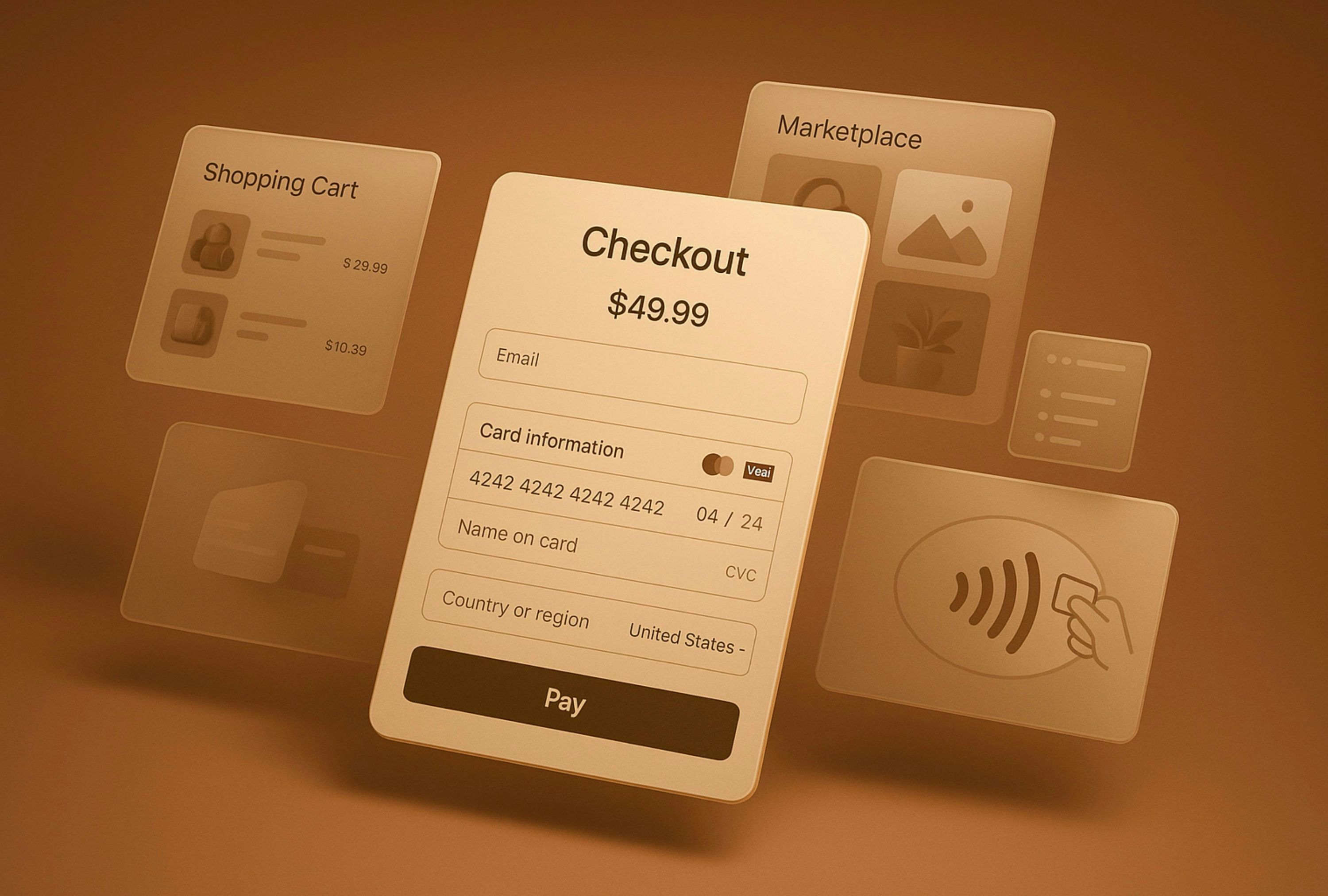
Trustly Secures More Than $40m to Build AI-Powered Payments Business

Swedish fintech Trustly has secured more than $40 million in equity commitments from existing investors as it attempts to turn its payments...

Reactiv Acquires U.S. Competitor Kin to Expand Its Mobile Commerce Business
Insights

Reactiv Acquires U.S. Competitor Kin to Expand Its Mobile Commerce Business

Canadian mobile commerce company Reactiv has acquired U.S.-based competitor Kin Commerce in a deal that gives the young startup access to new...

Google Selects 15 South African AI Startups for Its 2026 Accelerator
Insights

Google Selects 15 South African AI Startups for Its 2026 Accelerator

Google has selected 15 South African startups for its 2026 Google for Startups Accelerator, narrowing down a record 1,057 applications to a cohort...

Korean AI Company Neurofusion Brings Financial Intelligence to CEATEC 2026
Insights

Korean AI Company Neurofusion Brings Financial Intelligence to CEATEC 2026

Artificial intelligence is moving beyond general-purpose chatbots and into highly specialized industries, and South Korean startup Neurofusion is...

Nominate

Put forward
the best

Nominations are open to any individual, business, or organisation that meets the eligibility criteria. You may nominate yourself, a client, or a company you believe deserves international recognition.

  • ✓ Nominations are free to submit
  • ✓ Open to all sizes of business
  • ✓ International submissions welcome
  • ✓ All entries independently evaluated
  • ✓ Winners promoted globally
  • ✓ Dedicated winner profile pages
Submit Your Nomination
Free to enter. Open internationally. Takes 5 minutes.
FAQs

Common
questions

Everything you need to know about the Global SME Awards nomination process, eligibility, and what winners receive.

Who can nominate for the Global SME Awards?+
Anyone can submit a nomination — whether you are nominating your own business, a client, a supplier, or a company you admire. Nominations are open internationally to any Small & Medium Enterprises professional or organisation operating at a professional standard.
What are the eligibility requirements?+
How are winners selected?+
Winner Testimonial
"Winning the Global SME Award gave us the credibility to pitch to clients we could never have reached before. It was a genuine turning point for our business."
Sarah Mitchell
Brightpath Consulting — 2024 Winner, Best SME — Professional Services
Global Awards Group
Global SME Awards
Loading Experience